The Courtney GroupMolecular Virology · QUB

Research

Viral RNA is never alone in the cell

From the moment influenza A virus enters a cell, its RNA is bound, modified, moved and read by host proteins. We want to know which of those partnerships the virus cannot live without.

01 · Fundamental molecular virology

Following influenza RNA through the replication cycle

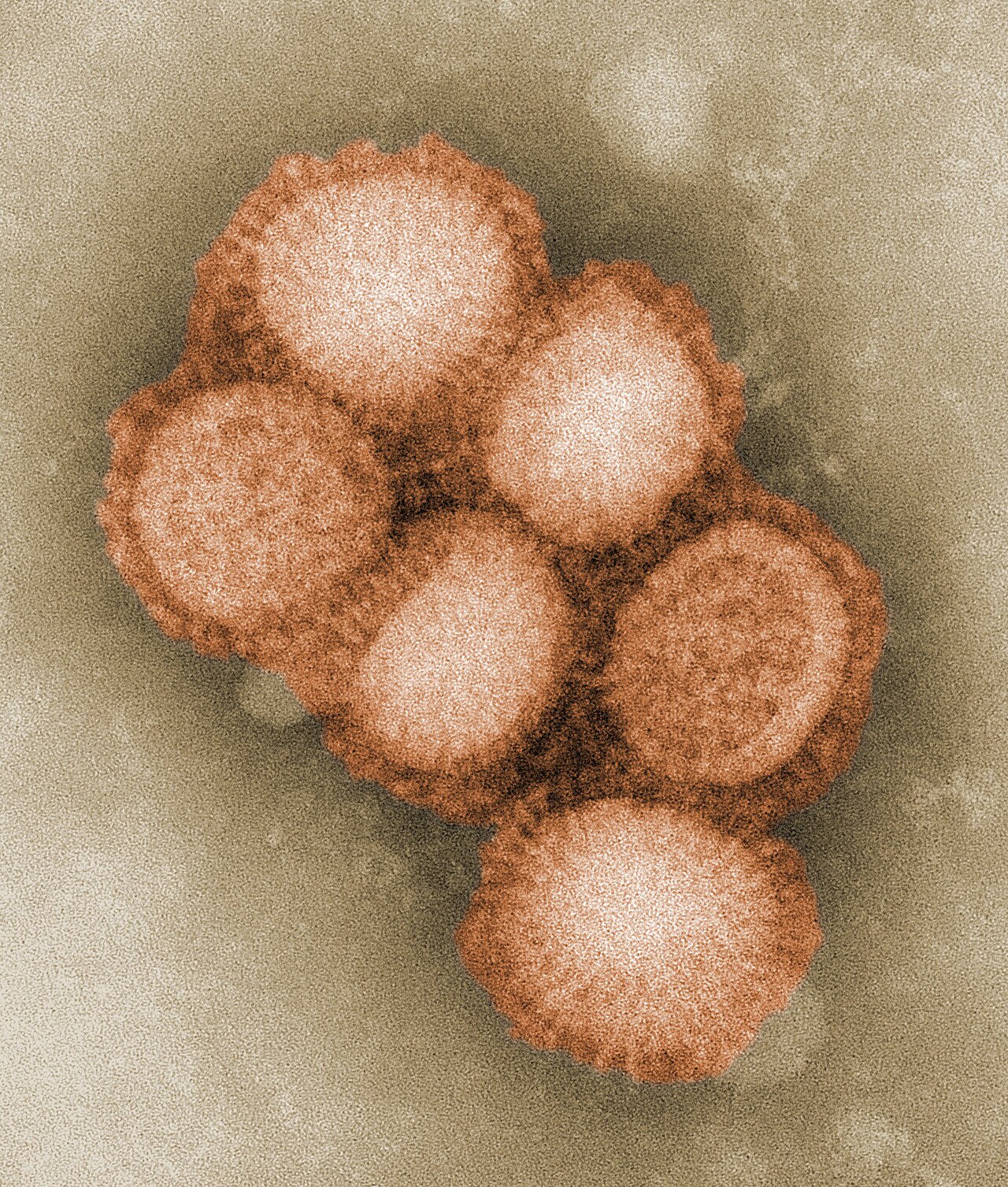
Influenza A virus has a genome of eight RNA segments. Every one of them has to be copied in the nucleus, exported, translated and delivered to the cell surface before a new virus can bud. Each of those steps needs the host.

The influenza A virus replication cycleA virus particle enters a cell, its genome segments travel into the nucleus where they are copied and modified, viral RNA is exported to the cytoplasm for translation, and new genome segments are trafficked to the cell membrane where new virus particles bud.NucleusCytoplasm1234567
  1. 1Entry and uncoating
  2. 2vRNPs enter the nucleus
  3. 3Transcription, replication and RNA modification
  4. 4Export of viral RNA
  5. 5Translation by host ribosomes
  6. 6Trafficking to the membrane
  7. 7Assembly and budding

Highlighted steps are where most of our work sits.

RNA modification

Chemical marks on viral RNA, such as m6A, can change how stable it is, how well it is translated and whether the immune system notices it. David’s earlier work showed these marks enhance influenza gene expression. The same chemistry matters for mRNA medicines, where modified bases such as pseudouridine help an mRNA be translated without triggering an immune alarm.
Nuclear export

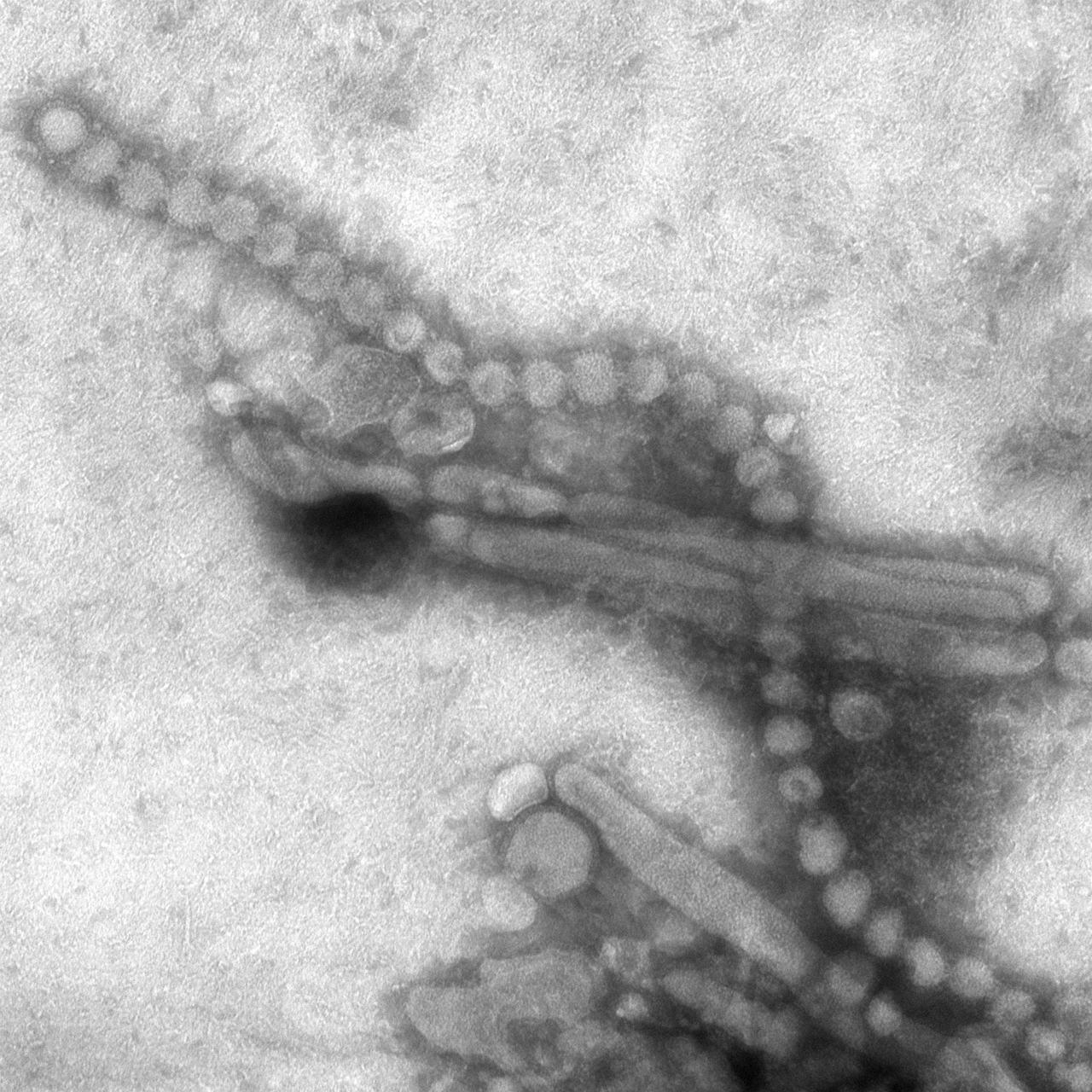
Influenza replicates in the nucleus, an unusual choice for an RNA virus. Its unspliced RNAs need host help to get out to the cytoplasm, where the translation machinery waits.

Trafficking and packaging

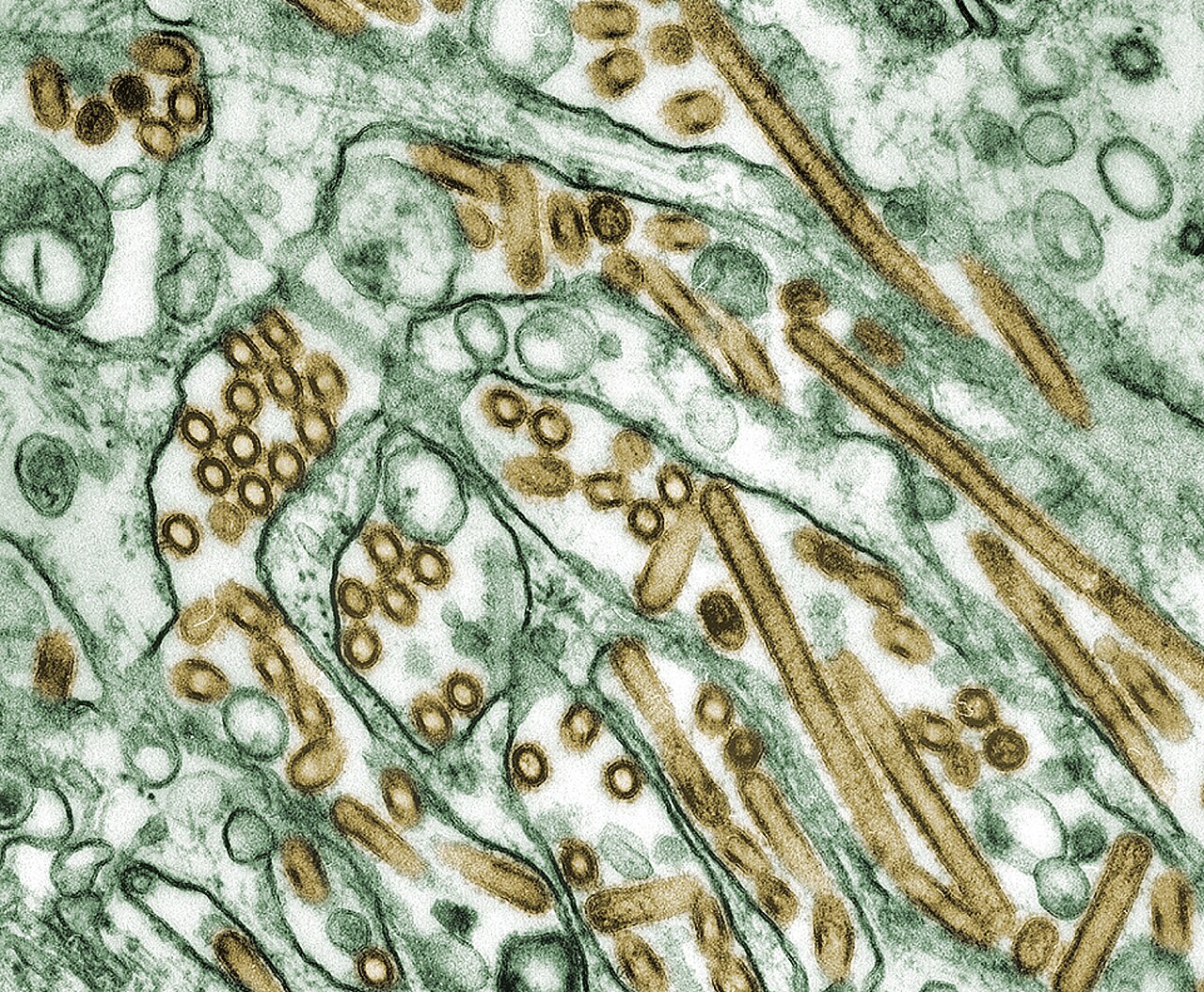
New genome segments travel to the cell membrane in vesicles before they are bundled into new virus particles. We have identified host proteins that ride along on that journey.

02 · Translation to advanced RNA therapeutics

Targets every influenza A virus shares

Influenza changes quickly, which is why vaccines are updated every year and antiviral resistance keeps appearing. The host proteins the virus depends on change far more slowly.

If an interaction between a host protein and viral RNA turns out to be essential to all influenza A viruses, it becomes a strong candidate for a new kind of antiviral. RNA medicines, from siRNAs to antisense oligonucleotides, are well suited to hitting those targets.

David has worked on RNA therapeutics from the start: his PhD developed allele-specific siRNAs and CRISPR approaches for inherited eye disease. We are bringing that experience back to infectious disease.

03 · Equitable access

Medicines that reach the people who need them

The burden of respiratory viruses falls hardest on communities with the least access to new treatments and vaccines. A breakthrough that only reaches wealthy health systems is only half a breakthrough.

We want the therapeutics that grow out of our work to be designed with affordability, stability and manufacturing in mind from the start, and we look for partners who share that aim.

How we work

A molecular toolkit

  • Molecular cloningReporter viruses and constructs built in house
  • CRISPR/Cas9Knockout cell lines to test host factors
  • siRNAFast, targeted knockdown screens
  • Next-generation sequencingMapping viral and host RNA
  • Mass spectrometryFinding the proteins bound to viral RNA
  • Live and fixed imagingFollowing viral RNA through the cell

Our core programme is funded by a European Research Council Starting Grant. We also study other RNA viruses, including RSV and SARS-CoV-2, with collaborators.